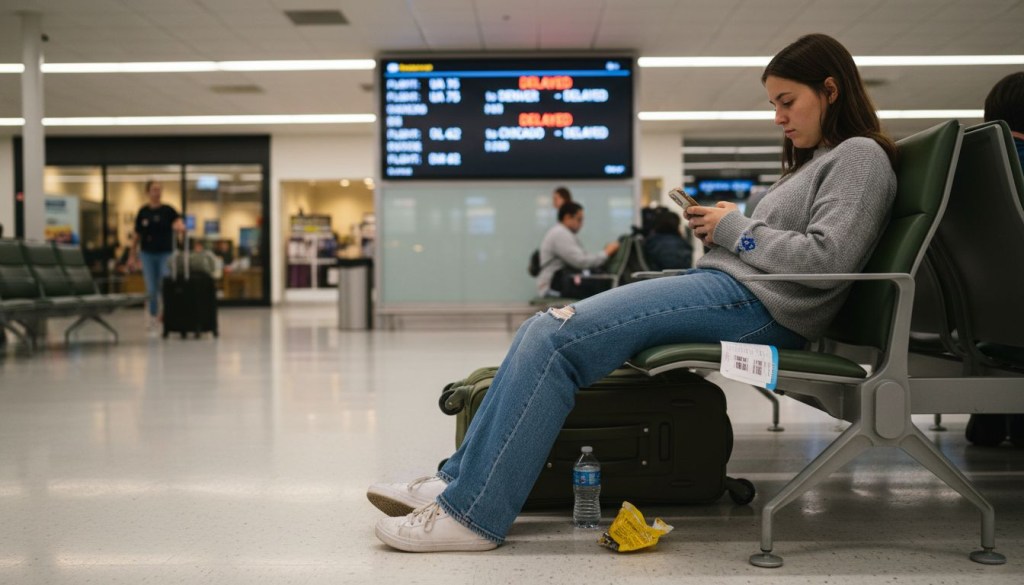
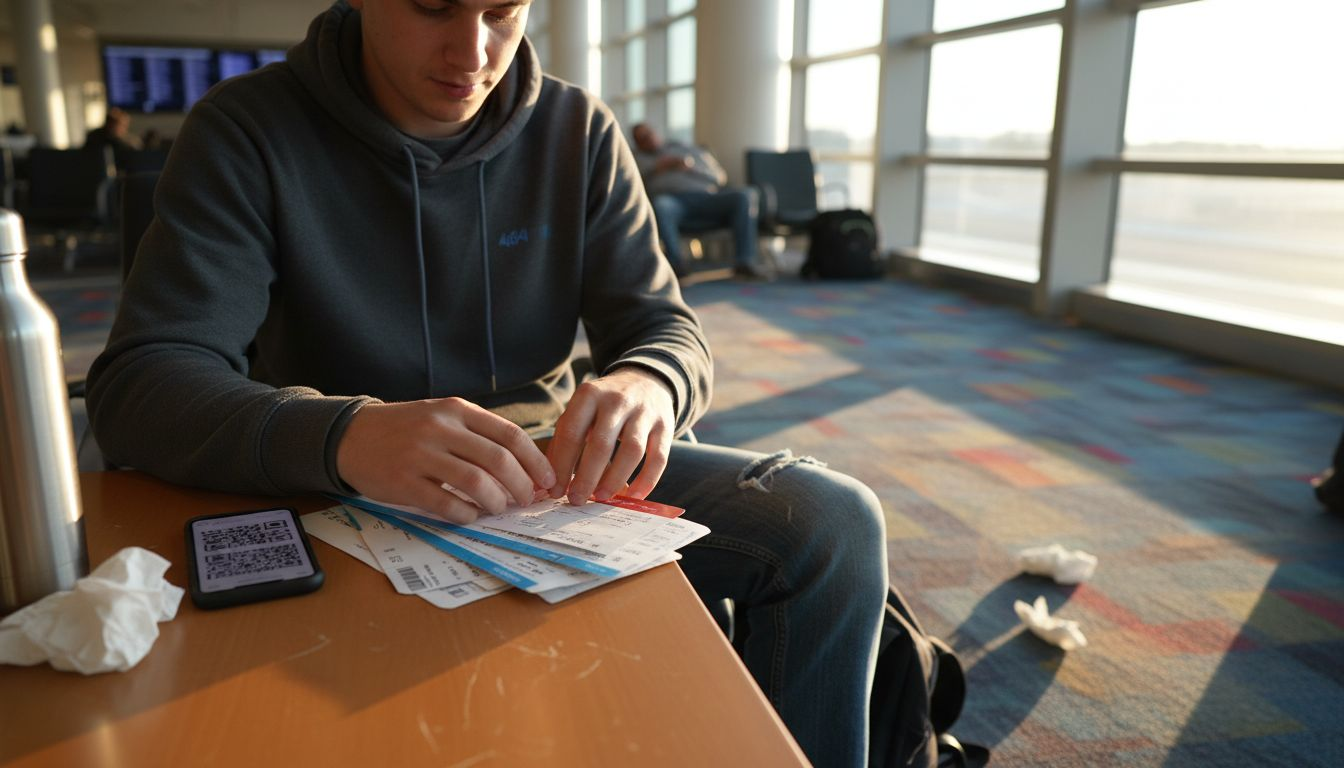
Missing a flight connection after a sudden delay or cancellation can leave any European traveler feeling overwhelmed and uncertain about next steps. Understanding your rights is more than just paperwork—it is your path to reclaiming time and expenses lost during disruptions. This guide highlights what documents to collect, how eligibility is determined, and how to ensure your compensation claim is processed efficiently, so you are never left guessing about your entitled support.
Table of Contents
- Step 1: Gather Essential Flight Details
- Step 2: Check Your Eligibility For Compensation
- Step 3: Submit Your Claim With Complete Documentation
- Step 4: Track Progress And Verify Payout
Quick Summary
| Key Insight | Explanation |
|---|---|
| 1. Gather All Important Flight Documents | Collect booking confirmations, delay notices, and any proof of disruption for your claim. This documentation is critical for eligibility. |
| 2. Understand Compensation Eligibility Criteria | Know the rules for claiming compensation based on flight disruptions, such as cancellations or delays over 3 hours. |
| 3. Submit a Well-Organized Claim | Provide all essential documents and a clear description of the incident when submitting your claim to improve your chances of approval. |
| 4. Track Claim Progress Diligently | Monitor the status of your claim regularly and keep detailed records of your submissions and communications with the airline. |
| 5. Know Your Rights Against Denials | If your claim is denied, request a clear explanation and consider escalating the issue to regulatory bodies if necessary. |
Step 1: Gather Essential Flight Details
You’re about to build your compensation claim, and it starts with collecting the right information. The good news is that most of what you need is probably already in your email inbox or on your phone. Let’s walk through exactly what to pull together.
Start with your booking confirmation and any flight itinerary documents you received from the airline. These typically contain your flight number, scheduled departure and arrival times, and the airports involved. Your flight number looks something like BA287 or LH402 and is essential for identifying your specific flight in the airline’s system.
Next, gather documentation of the actual disruption. This includes:
- Cancellation notice or email from the airline confirming the flight was canceled
- Delay confirmations showing when you actually took off or arrived
- Boarding passes (original or digital) proving you checked in
- Gate announcements or messages about the reason for disruption
- Photos or screenshots of airport displays showing the delay or cancellation
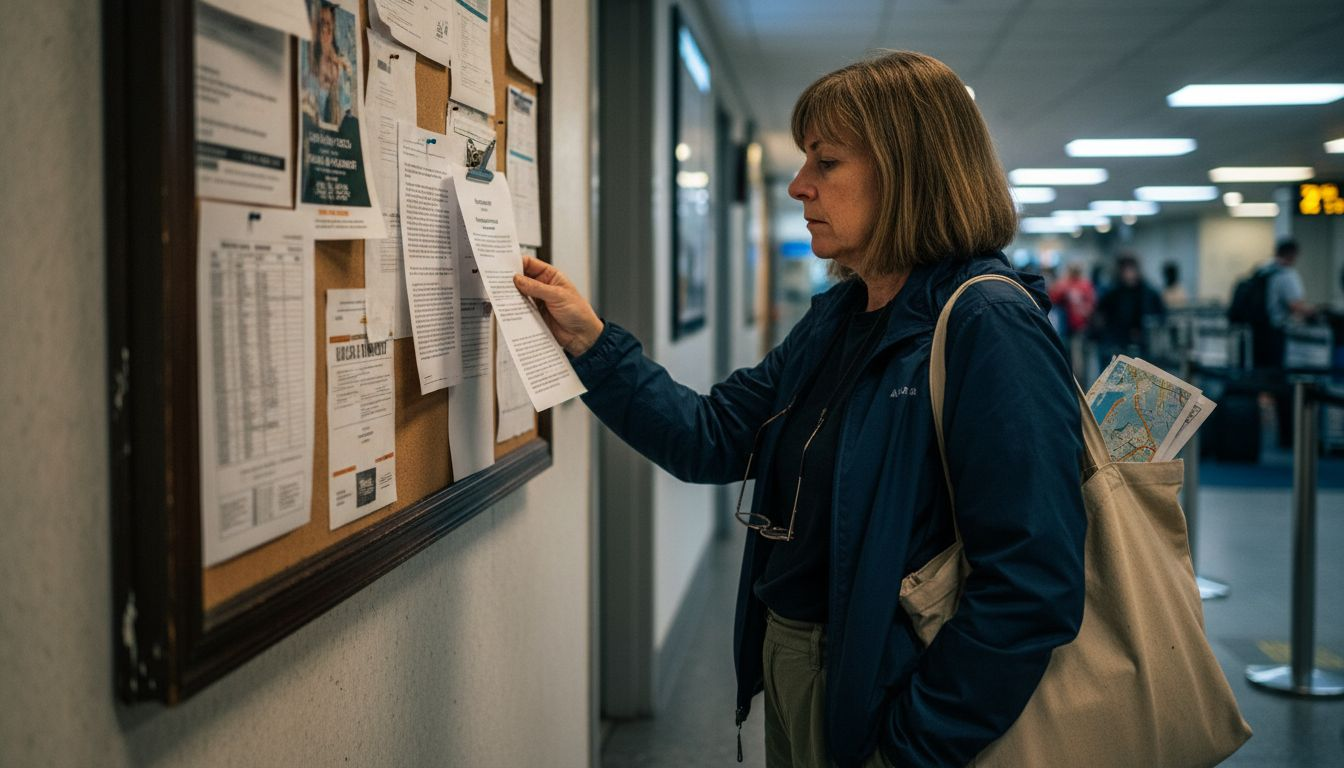
According to European passenger rights guidelines, airlines must provide written notice of passenger rights when disruptions occur. Save any written notices the airline gave you, whether on paper or digital. This documentation strengthens your claim significantly.
Also note the actual delay length in hours and minutes. For compensation eligibility, it matters whether you arrived 2 hours late or 4 hours late. Record the exact arrival time versus your scheduled arrival time.
Keep proof of any expenses you incurred due to the disruption. This includes meal vouchers, accommodation receipts, transportation costs, or phone call receipts. These support additional claims beyond standard compensation.
Organize all documents into a single folder, digital or physical, with clear labels by date and flight number.
Pro tip: Take photos of every document before storing originals away, and create a backup folder on your phone or cloud storage in case you need to reference information quickly during the claims process.
Step 2: Check Your Eligibility for Compensation
Not every flight disruption qualifies for compensation, so let’s figure out where you stand. The rules are clear, and understanding them upfront saves you time and frustration. Eligibility depends on several specific factors about your flight and what happened.
First, check your flight route and airline type. EU compensation rules apply to flights departing from European Union airports, regardless of airline, or flights arriving at EU airports operated by European carriers. If your flight doesn’t fit these categories, you may still have rights, but the rules differ.
Next, determine what type of disruption affected your flight. You’re eligible for compensation if your flight was:
- Cancelled (you weren’t offered a rebooking or alternative flight)
- Delayed over 3 hours at your final destination
- Overbooked and you were denied boarding despite a valid ticket
Timing matters significantly. A 2-hour delay doesn’t qualify, but arriving 3 hours or more late than scheduled does. Check your arrival time against what was originally scheduled.
However, the airline’s responsibility is crucial. Airlines don’t owe compensation if the disruption resulted from extraordinary circumstances beyond their control. These include severe weather, air traffic control strikes, security risks, or unexpected safety issues. Technical failures or maintenance problems generally don’t count as extraordinary circumstances.
Review any written explanation the airline provided about why your flight was disrupted. If they cited mechanical issues or staffing problems, you likely have grounds for a claim. If they mentioned a hurricane or volcanic ash cloud, that’s trickier but not necessarily disqualifying.
Here’s how key disruption types and airline responsibilities affect compensation claims:
| Disruption Type | Compensation Eligibility | Airline Responsibility | Common Proof Needed |
|---|---|---|---|
| Flight Canceled | Often eligible | Airline-controlled or not | Cancellation letter, rebooking info |
| Delay over 3 hours | Eligible if at arrival | Airline-controlled issue | Boarding pass, delay documentation |
| Denied Boarding | Eligible if involuntary | Overbooking, not passenger fault | Denial notice, valid ticket |
| Delay under 3 hours | Not usually eligible | Irrelevant | Arrival times for verification |
| Extraordinary Circumstance | Usually not eligible | Out of airline control | Written airline explanation |
Your eligibility hinges on three things: the flight route, the type of disruption, and whether the airline bears responsibility.
Pro tip: If you’re uncertain whether extraordinary circumstances apply to your disruption, document everything anyway and submit your claim, since determining responsibility is ultimately the airline’s burden to prove, not yours.
Step 3: Submit Your Claim with Complete Documentation
You’ve gathered your documents and confirmed your eligibility, so now it’s time to submit your claim. This step is where you present your case to the airline in the clearest, most organized way possible. A well-prepared claim submission significantly increases your chances of approval.
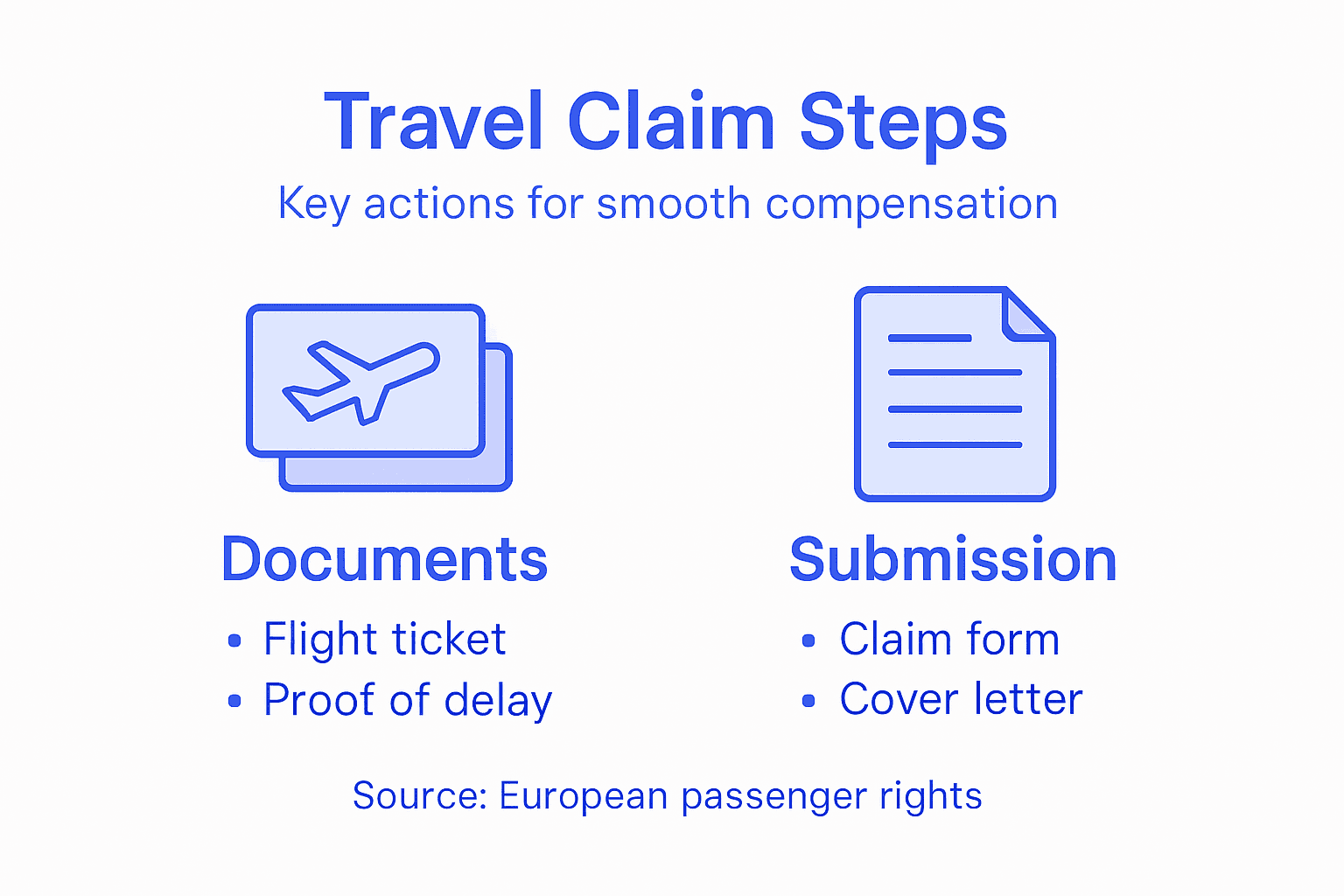
Start by contacting the airline directly. Most airlines have a dedicated claims department and may provide a standard claim form to simplify the process. Check their website or your booking confirmation for instructions. Airlines typically accept claims through official channels including online portals, email, or mail.
When you submit, include these essential documents:
- Booking reference or confirmation number
- Boarding passes (original or digital copies)
- Flight itinerary showing scheduled versus actual times
- Receipts for expenses incurred during the disruption
- Written proof of the disruption such as cancellation notices or delay confirmations
- Airline communication explaining the reason for disruption
Write a clear description of what happened. Explain the flight number, date, route, how long the delay lasted or whether it was canceled, and how the disruption affected you. Keep it factual and specific rather than emotional.
Make sure your submission is clearly recorded in writing. Email is ideal because it creates a timestamped record. If you mail documents, use tracked delivery. Keep copies of everything you submit for your records.
Include a detailed breakdown of compensation claimed if applicable. Reference the amount you’re requesting and the basis for it under European regulations. If you incurred expenses like meals or accommodation, itemize them with receipts attached.
Submit all documents at once in one organized package rather than sending them piecemeal over weeks.
Pro tip: Send your claim via registered email or mail service that provides delivery confirmation, and include a cover letter summarizing what’s attached so the airline knows exactly what they’re reviewing.
Step 4: Track Progress and Verify Payout
Submitting your claim is just the beginning. Now you need to monitor its progress and ensure you receive your compensation. Most airlines take weeks or even months to respond, so tracking keeps you informed and accountable.
Start by documenting your submission date and any reference numbers the airline provides. These are your proof that you filed on time. Airlines are required to communicate clearly about claim status and reasons for any decision, so expect updates via email.
Most airlines provide ways to check your claim status online. Many carriers now offer self-service claim tracking tools where you can monitor eligibility checks, submission confirmations, and payment progress in real time. Log into your airline account or look for a dedicated claims portal.
If you don’t hear back within the timeframe stated in the airline’s response (typically 6 to 8 weeks), follow up with them directly. Send a polite email asking for a status update and reference your original submission details.
Here’s what to watch for:
- Acknowledgment email confirming receipt of your claim
- Status updates as the airline reviews your case
- Approval notification with payment information
- Bank transfer confirmation showing the compensation arrived
If the airline denies your claim, request a clear explanation of their reasoning. They must provide documented justification. Don’t accept a vague response.
If you disagree with a denial or face unreasonable delays, you can escalate to Alternative Dispute Resolution bodies or regulatory authorities. These services help resolve disputes outside of court.
Keep every email from the airline, including timestamps and reference numbers, for your records and potential escalation.
Pro tip: Set calendar reminders to follow up every two weeks if you haven’t heard back, and maintain a simple spreadsheet documenting each interaction date, method, and response received.
Use this table to streamline your compensation claim tracking:
| Step | What to Record | How to Store | Why It’s Important |
|---|---|---|---|
| Claim submission | Date, reference number | Email folder or spreadsheet | Proves timely filing |
| Airline responses | Acknowledgments, status updates | Digital archive | Tracks claim progress |
| Payout confirmation | Bank transfer proof | Bank statements, digital copies | Verifies receipt of funds |
| Follow-ups | Dates and methods used | Spreadsheet log | Documents persistence and escalation |
Simplify Your Flight Compensation Claim with AioFlight
If you have faced flight cancellations, long delays, or denied boarding, you already know how frustrating and confusing the claims process can be. Gathering paperwork, proving eligibility, submitting detailed documentation, and tracking your claim require time and patience few travelers have. AioFlight is here to remove that stress and help you claim the compensation you deserve quickly and reliably. Our expertise in navigating European passenger rights and airline policies turns complicated steps into smooth, hassle-free support.
Join thousands of satisfied passengers across Europe, the USA, and beyond who have entrusted AioFlight to handle their claims professionally. We ensure every delay or cancellation is carefully documented and submitted correctly, maximizing your chance of success while you focus on your next journey. Don’t wait and let uncertainty hold your claim back. Visit AioFlight today to start your free eligibility check and take the first step toward your rightful compensation with confidence.
Frequently Asked Questions
What documents do I need to gather for my travel disruption claim?
To file a travel disruption claim, collect your booking confirmation, flight itinerary, cancellation notices, delay confirmations, and boarding passes. Organize these documents in a single folder, clearly labeled by date and flight number, to streamline your submission process.
How can I check my eligibility for compensation after a flight disruption?
You can check your eligibility by confirming if your flight was canceled, delayed over 3 hours, or if you were denied boarding due to overbooking. Ensure your flight meets the criteria outlined for compensation and document the length and cause of the disruption for your claim.
What steps should I follow to submit my compensation claim?
Start by contacting the airline directly through their official claims department, which may have a standard claim form. Include essential documents like your booking reference, boarding passes, receipts for expenses, and a clear description of the disruption when submitting your claim.
How long will it take to receive compensation after submitting my claim?
Most airlines take 6 to 8 weeks to respond to compensation claims, but the timeline can vary. Keep track of your submission date and any reference numbers provided to follow up on your status if you do not hear back within this timeframe.
What should I do if my compensation claim is denied?
If your claim is denied, request a clear explanation from the airline detailing the reasons for the denial. Keep all correspondence and consider escalating the matter to dispute resolution bodies if you believe the airline’s explanation is insufficient or unclear.